 CALL/TEXT:
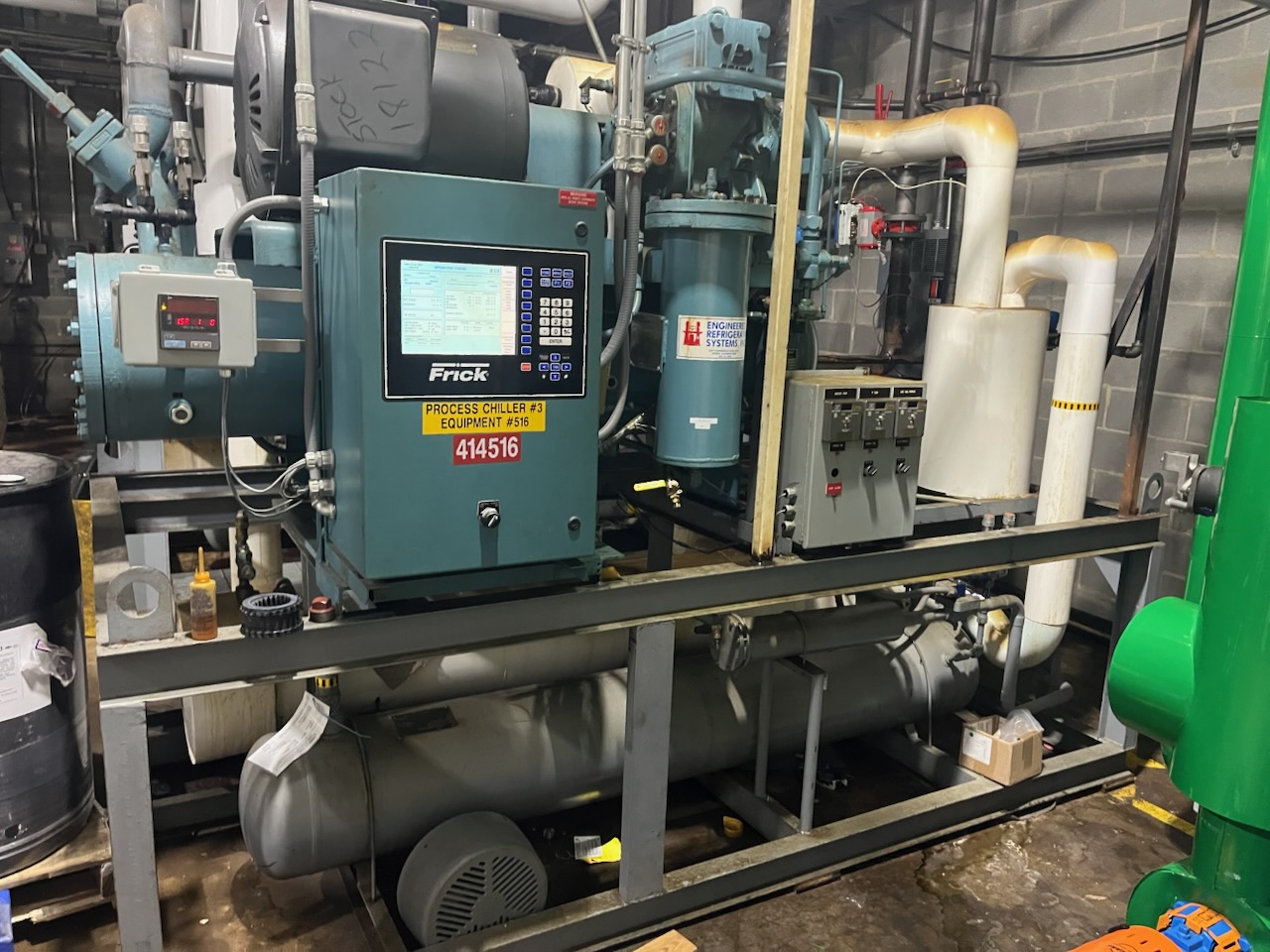
System retrofits are one of the most demanding scenarios in industrial refrigeration. Whether driven by equipment failure, capacity changes, or efficiency upgrades, replacing a screw compressor is rarely a simple swap. Compatibility, performance matching, and downtime risk all come into play.
For buyers sourcing used industrial refrigeration equipment, screw compressors from proven manufacturers like Frick, Mycom, GEA, FES, Howden, and York are often the first options considered for retrofit projects.
This guide outlines what matters most when sourcing a used screw compressor for a retrofit and how to minimize operational risk.
Why Retrofit Projects Require a Different Buying Approach
Unlike greenfield installations, retrofit projects must work within the constraints of an existing system. That means the replacement compressor must align with current piping, controls, electrical capacity, and operating conditions.
Key retrofit considerations include:
- Matching capacity and operating envelope
- Compatibility with existing refrigerants and oil systems
- Integration with current controls and safety systems
- Physical footprint and connection points
- Minimizing downtime during changeover
A mismatch in any of these areas can lead to performance issues, inefficiency, or costly rework.
Matching Performance, Not Just Horsepower
One of the most common retrofit mistakes is focusing solely on motor size or nominal capacity. Screw compressors from different manufacturers can behave very differently under the same conditions.
When evaluating used screw compressors for retrofit, buyers should assess:
- Operating pressures and temperature ranges
- Load profiles and part-load performance
- Compressor speed and control strategy
- Oil management and cooling requirements
Brands like Frick and Howden, for example, may serve similar applications but require careful performance matching to ensure seamless integration.
Brand Flexibility in Retrofit Scenarios
Retrofit projects often involve cross-brand replacements. A system originally designed around one manufacturer may benefit from another, depending on availability, lead time, or performance requirements.
Common retrofit scenarios include:
- Replacing aging Frick units with equivalent Howden models
- Upgrading legacy York compressors to newer-generation screw designs
- Integrating Mycom or GEA compressors into mixed-brand systems
In these cases, detailed technical evaluation is essential to avoid compatibility issues.
Why Used Screw Compressors Make Sense for Retrofits
For many facilities, sourcing new equipment is not always practical due to budget constraints or extended lead times. This is where used industrial refrigeration equipment becomes a strategic advantage.
Professionally inspected and reconditioned screw compressors offer:
- Faster availability compared to new units
- Significant capital cost savings
- Proven designs with known performance histories
- Reduced risk when sourced from experienced suppliers
Used compressors are particularly well suited for retrofits where speed and reliability are critical.
Minimizing Retrofit Risk with Tested Equipment
The success of a retrofit depends heavily on equipment condition and validation. Used screw compressors should never be treated as “as-is” components.
Best practices include:
- Full mechanical inspection and testing
- Verification of rotor, bearing, and oil system condition
- Performance testing under controlled conditions
- Documentation of operating parameters
Sourcing from suppliers who specialize in industrial refrigeration ensures that retrofit compressors arrive ready for integration, not troubleshooting.
Choosing the Right Compressor for a Seamless Retrofit
From Frick to Howden and beyond, sourcing the right used screw compressor is about more than brand preference. It is about system compatibility, performance confidence, and minimizing downtime.
For high-intent retrofit projects, used industrial refrigeration equipment offers a practical path forward when paired with proper evaluation, testing, and support. When done right, a retrofit can extend system life, restore performance, and deliver long-term value without the delays and costs of new equipment.

Refrigeration Equipment Professionals (REP) is a trusted supplier of industrial refrigeration systems and surplus/used equipment, offering compressors, chillers, condensers, evaporators, ice machines, freezers, coolers, pumps, motors, complete plants, and services like purchasing, refurbishing, shipping, export crating, and storage/consignment support. With 25+ years of experience and clients across North America, Latin America, the Middle East, and Asia, we deliver reliable, cost-effective refrigeration solutions worldwide.