Posted on

Maintenance Tips for Extending the Lifespan of Used Ammonia Compressors: Keeping Your Mycom, Vilter, or Frick Running Like New

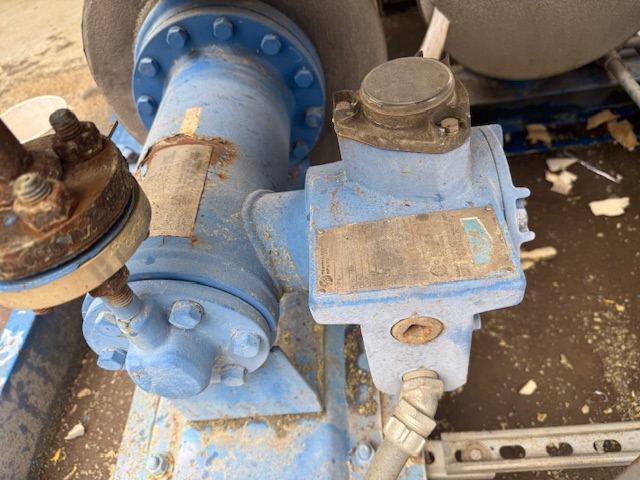
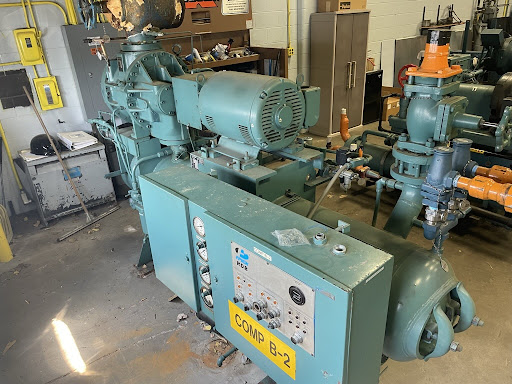
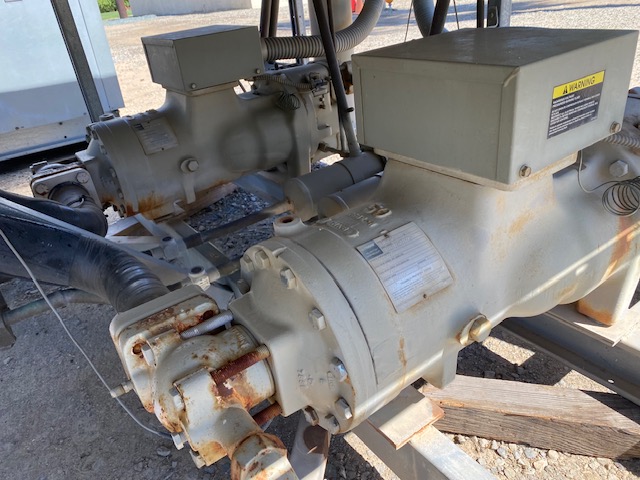
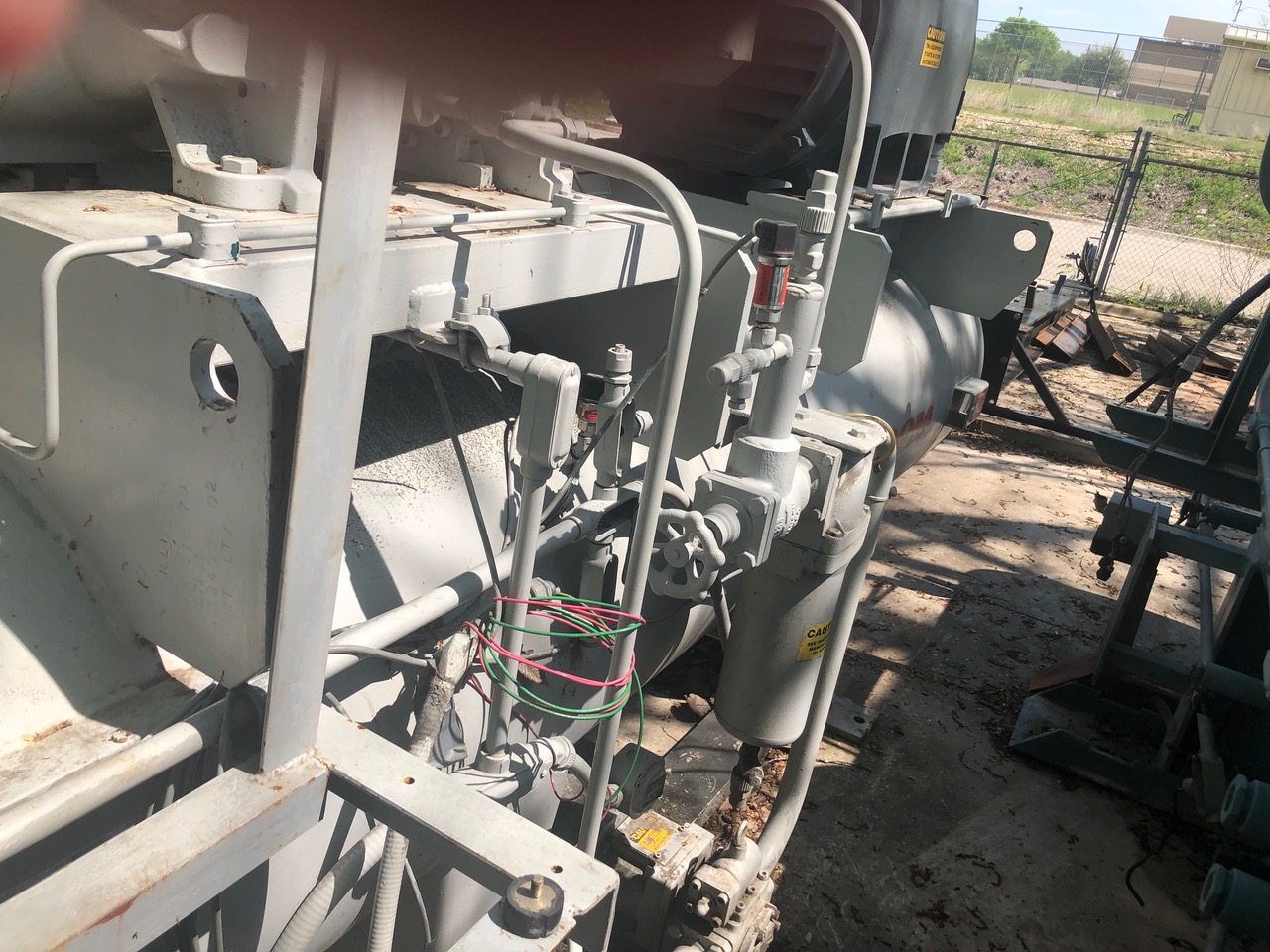
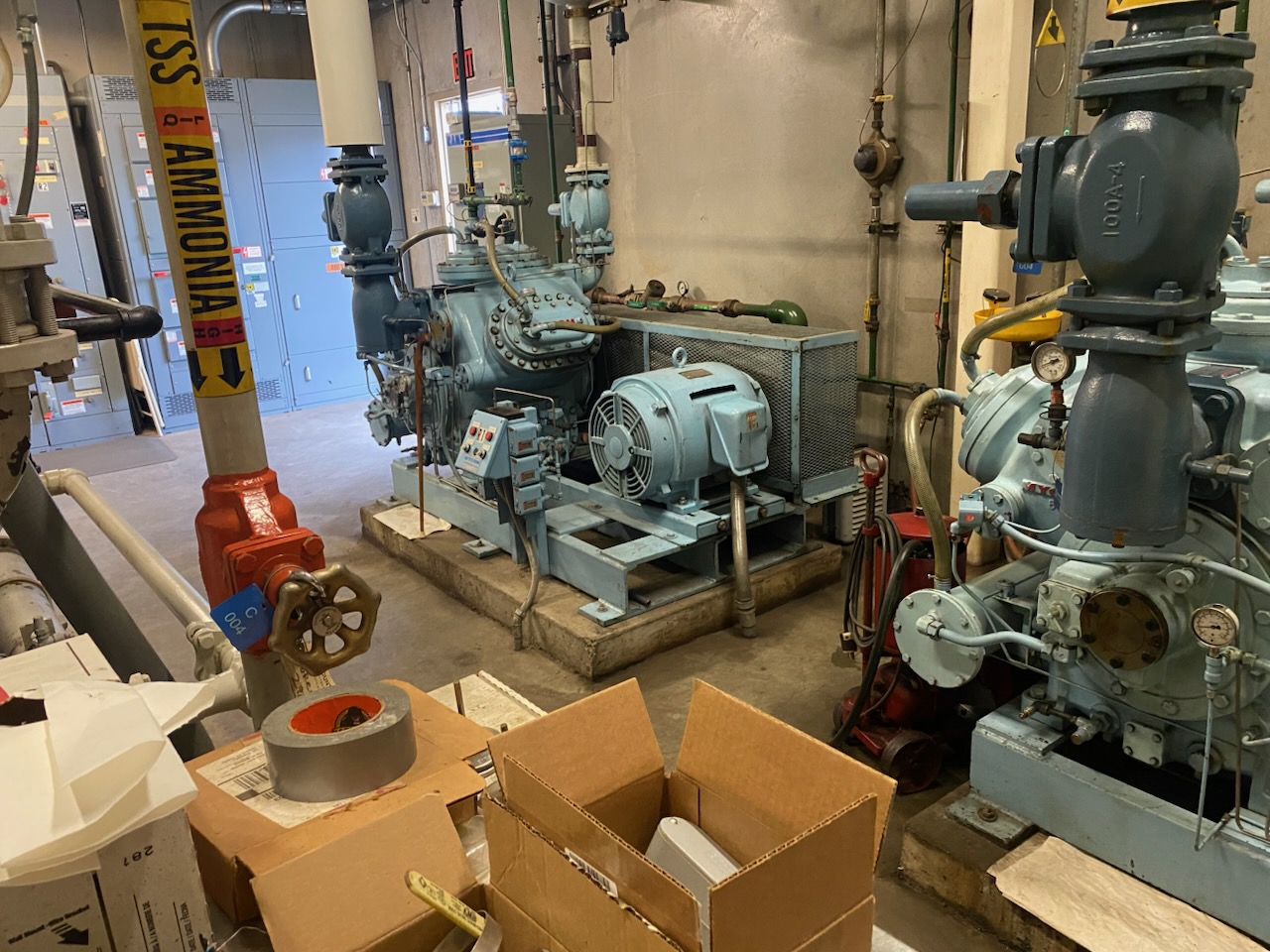
Used Ammonia Compressor

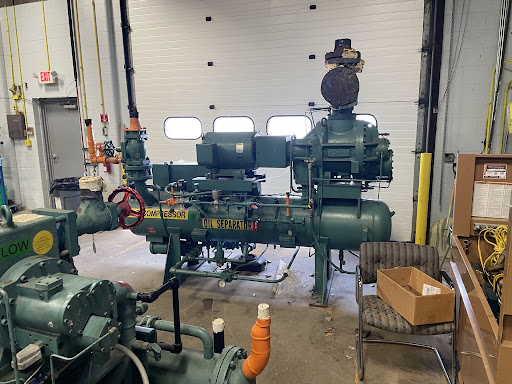
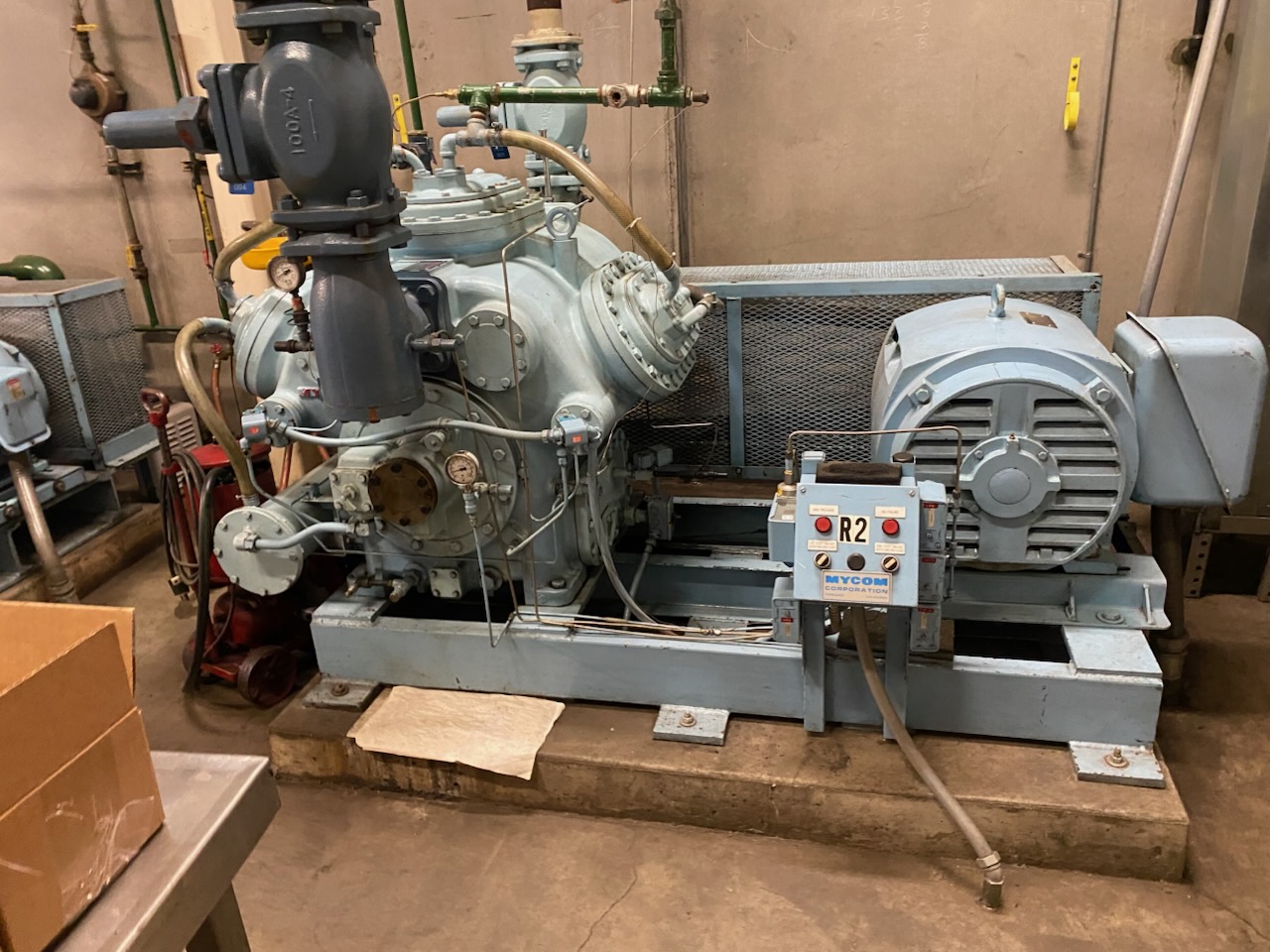
Let’s face it – your used ammonia compressor isn’t getting any younger. But unlike that gym membership you swore you’d use, with proper care these industrial workhorses can keep performing well past their expected retirement age. At RefrigerationEquipment.net, we’ve seen Mycom, Vilter, and Frick compressors outlive the careers of the technicians who installed them (and several company reorganizations).

Here’s how to keep your used ammonia compressor running smoother than a politician’s promises during election season.

The Daily Grind: Routine Maintenance Must-Dos

1. Oil Changes Aren’t Just for Your Car

Your compressor’s oil is its lifeblood – neglect it, and you’ll be shopping for a new compressor faster than you can say “catastrophic bearing failure.” For Mycom, Vilter, and Frick compressors:

  • Change oil according to manufacturer specs (typically every 3-6 months)
  • Use only recommended oil grades – this isn’t the time to experiment with bargain bin specials
  • Monitor oil filters like a hawk watching its nest

Pro tip: If your oil looks like a Starbucks dark roast, it’s way past due for a change.

2. Keep It Clean, You Animal

Dirt and ammonia compressors mix about as well as oil and water (which, coincidentally, is another bad combination for your system). Regular cleaning should include:

  • Blowing out condenser coils quarterly
  • Keeping the compressor room free of debris
  • Wiping down external surfaces (yes, even if it’s hidden in the back corner no one sees)

Remember: A clean compressor is a happy compressor, and happy compressors don’t unexpectedly fail at 2 AM on a holiday weekend.

The Monthly Checkup: Catching Problems Early

3. Vibration Monitoring – The Canary in the Coal Mine

Excessive vibration is your compressor’s way of saying “Hey dummy, something’s wrong!” For all major brands:

  • Invest in basic vibration monitoring equipment
  • Establish baseline readings when the unit is healthy
  • Investigate any changes immediately

Think of it like your compressor’s version of a check-engine light, except ignoring it could cost you five figures instead of a $98 diagnostic fee.

4. Leak Detection: Find It Before OSHA Does

Ammonia leaks are bad for business, bad for your insurance premiums, and really bad for your nose hairs. Monthly checks should include:

  • Electronic leak detector sweeps
  • Visual inspections of fittings and connections
  • Monitoring for unexpected increases in refrigerant usage

Bonus: Finding and fixing small leaks promptly will save enough money in lost refrigerant to buy lunch. Maybe even a nice lunch.

The Annual Spa Treatment: Major Maintenance

5. Valve Maintenance – The Heart of the Matter

Compressor valves take more abuse than a rental car at a demolition derby. Annual maintenance should include:

  • Inspection and possible replacement of valve plates and springs
  • Checking piston rings for wear
  • Verifying proper clearance on all moving parts

This is where having OEM parts from the original manufacturer (Mycom, Vilter, or Frick) pays dividends in performance and longevity.

6. Electrical System Checkup

Electrical components age about as gracefully as milk left in a hot car. Annual electrical maintenance should cover:

  • Tightening all connections (vibration loves to loosen them)
  • Testing motor windings
  • Verifying proper operation of all safety controls

Pro tip: If you see electrical tape being used as a “permanent” fix, it’s time for professional help.

When to Call in the Professionals

Even the most diligent maintenance program can’t prevent all issues. Warning signs you need expert help include:

  • Unexplained increases in energy consumption
  • New or unusual noises (beyond the normal industrial symphony)
  • Oil contamination that keeps recurring
  • Performance degradation that routine maintenance doesn’t fix

The Used Compressor Advantage

Here’s the beautiful part – a well-maintained used Mycom, Vilter, or Frick compressor can deliver 80% of the performance of a new unit at 30% of the cost. At RefrigerationEquipment.net, we specialize in:

  • Quality inspected used ammonia compressors
  • OEM parts for major brands
  • Expert advice on maintenance and troubleshooting

Your Next Steps

  1. Shop our selection here
  2. Sell us your old unit if you’re upgrading
  3. Contact our experts for maintenance questions or parts needs

Remember, with proper care your used ammonia compressor might just outlast your career. And if it doesn’t, we’ll be here to help you find its replacement – preferably before it fails catastrophically during your next big production run.

Posted on

Frick Control Panels: The Brain Surgery of Screw Compressor Efficiency

Frick Ammonia Compressor Model Rwb-134b (2)

Let’s be honest – your screw compressor’s control panel is about as exciting as watching paint dry… until it stops working. Then suddenly it becomes the most interesting (and expensive) piece of electronics in your facility. At RefrigerationEquipment.net, we’ve seen more operators panic over a blinking light on a Frick control panel than teenagers when their phone battery hits 5%.

But here’s the good news: A properly functioning Frick control panel can turn your used screw compressor from a gas-guzzling clunker into a finely-tuned efficiency machine. And the best part? You don’t need to sell your firstborn to afford one when you go the refurbished route.

Why Frick Control Panels Are the Unsung Heroes of Refrigeration

Frick control panels aren’t just fancy light shows (though we admit, the blinking lights are pretty cool). They’re the Mission Control for your screw compressor system, constantly making micro-adjustments that would make a Swiss watchmaker jealous.

Here’s what these technological marvels actually do:

  • Continuously monitor about 37 different parameters (we stopped counting after the first dozen)
  • Make real-time adjustments to keep your system running at peak efficiency
  • Prevent catastrophic failures by sounding alarms before small issues become big problems
  • Log enough operational data to make your IT department jealous

 The Three Superpowers of Frick Control Panels

1. Energy Efficiency That Would Make Your Accountant Cry (Happy Tears)

Modern Frick control panels can reduce energy consumption by up to 30% compared to older manual systems. They do this through:

  • Smart load matching – Only using the exact amount of energy needed
  • Predictive algorithms – Like a psychic, but for refrigeration
  • Automatic turndown – Basically putting your system on a diet when full power isn’t needed

2. Diagnostic Capabilities That Put WebMD to Shame

When something goes wrong, your Frick panel won’t just tell you “it hurts when I do this.” You’ll get:

  • Specific error codes (none of that vague “check engine” nonsense)
  • Historical data to spot trends
  • Maintenance reminders that are harder to ignore than your mother’s birthday

3. User-Friendly Interfaces That Won’t Require a Computer Science Degree

Unlike some industrial controls that look like they were designed by NASA in the 1960s, Frick panels offer:

  • Intuitive touchscreen interfaces
  • Clear visual indicators
  • Alarm systems that even the newest technician can understand

Why Refurbished Frick Control Panels Make More Sense Than a Unicorn

We get it – when your control panel fails, the temptation is to grab the cheapest replacement you can find. But before you risk your operation on some knockoff panel from who-knows-where, consider these benefits of professionally refurbished Frick units:

  1. Cost Savings That’ll Make You Blink Twice – Up to 60% less than new
  2. Faster Availability – No waiting months for a custom build
  3. Proven Reliability – These aren’t mystery parts from an online auction
  4. Warranty Protection – Unlike that “great deal” from your cousin’s friend’s brother

At RefrigerationEquipment.net, our refurbishment process includes:

  • Complete disassembly and inspection
  • Replacement of all worn components
  • Full testing under load conditions
  • Software updates to current standards

When Should You Consider a Replacement Control Panel?

Your Frick control panel might be trying to tell you something if:

  • The display looks like a 1980s video game (and not in a cool retro way)
  • Alarms trigger more often than your fire drills
  • Technicians start calling it “possessed” or “cursed”
  • You’ve spent more on repairs this year than the panel is worth

The Smart Buyer’s Guide to Used Frick Panels

Not all used control panels are created equal. Here’s what to look for:

  • Physical Condition – No major damage or corrosion
  • Software Version – Compatible with your system
  • Testing Documentation – Proof it actually works
  • Warranty – Even 90 days is better than nothing

 Your Next Steps (Because Reading This Article Doesn’t Fix Your Panel)

  1. Shop our selection of [refurbished Frick control panels]
  2. Sell us your old unit if you’re upgrading ([we buy used equipment]
  3. Contact our experts for help choosing the right panel

Remember, a high-quality refurbished Frick control panel can give your screw compressor system a new lease on life without the price tag of a new unit. And unlike that gym membership you never use, this is an investment that will actually pay off. Now if you’ll excuse us, we need to go troubleshoot a panel that’s blinking in Morse code… or maybe it’s just saying “HELP” – we’re not entirely sure.

Posted on

How to Extend the Life of Your Commercial Refrigeration System (Because Replacement Costs More Than Your First Car)

How to Extend the Life of Your Commercial Refrigeration System

Let’s be honest – your commercial refrigeration system works harder than a caffeine-fueled barista during the morning rush. And just like that barista, if you don’t treat it right, it’s going to quit on you at the worst possible moment. At RefrigerationEquipment.net, we’ve seen systems that outlasted marriages and systems that died faster than a snowman in July. The difference? Maintenance and smart repair choices.

Here’s how to keep your refrigeration equipment running longer than your competitor’s patience during a heatwave.

Preventive Maintenance: The Secret to a Long (Equipment) Life

Preventive maintenance is like flossing – nobody wants to do it, but the alternative is much more painful and expensive. Here’s your no-nonsense guide to keeping your system in shape:

 1. Cleanliness is Next to Godliness (And Efficiency)

Dirty condensers work harder than a teenager doing chores. Monthly cleaning should include:

  • Brushing off condenser coils (think of it as giving your system a spa day)
  • Clearing debris from around the unit (no, that stack of boxes doesn’t count as “ventilation”)
  • Checking drain lines for clogs (because nobody likes a flooded equipment room)

Pro tip: If your condenser looks like it’s been through a dust storm, you’re probably paying 20% more in energy costs.

 2. Keep It Lubed Up (We’re Talking About Your Compressor)

Moving parts without proper lubrication fail faster than a New Year’s resolution. Make sure to:

  • Check oil levels regularly (like checking your phone, but less often)
  • Change oil and filters per manufacturer specs (no, “whenever we remember” isn’t a schedule)
  • Watch for oil contamination (if it looks like a chocolate milkshake, you’ve got problems)

3. Play Detective With Refrigerant Levels

Low refrigerant is like trying to cool your space with a fan and wishful thinking. Monitor for:

  • Unexplained temperature fluctuations (your system shouldn’t have mood swings)
  • Increased energy bills (that’s your wallet crying)
  • Ice buildup where it shouldn’t be (this isn’t a winter wonderland)

 4. Electrical Checkups Prevent Shockingly Bad Days

Electrical components age faster than a president in office. Quarterly checks should include:

  • Tightening connections (vibration loves to loosen things)
  • Testing contactors and relays (before they fail dramatically)
  • Checking voltage and amperage (because guessing is for carnival games)

When Repairs Are Needed: Why Used Parts Are Your Secret Weapon

Let’s face it – OEM parts cost more than a celebrity’s pet accessories. Here’s why quality used parts make more sense than a unicorn riding a rainbow:

1. Cost Savings That’ll Make You Do a Double-Take 

Used compressors, condensers, and control panels typically cost 50-70% less than new. That’s enough savings to finally get that espresso machine for the break room.

2. Same Performance Without the Price Tag 

Many used parts have 80% of their lifespan left – they’re like a 3-year-old car with low mileage. At RefrigerationEquipment.net, we:

  •  Thoroughly test all components (we’re more particular than a cat choosing a nap spot)
  • Only sell parts that meet strict performance standards
  • Offer warranties because we stand behind our products

3. Immediate Availability 

While new parts might take weeks (if you’re lucky), quality used parts are often ready to ship today. Because when your system is down, “soon” isn’t good enough.

The Smart Owner’s Repair Decision Tree

When facing repairs, ask yourself:

  1. Is the equipment otherwise in good condition? 
    (If yes, repair. If no, maybe it’s time for a used replacement)
  2. Would the repair cost more than 50% of a quality used replacement? 
    (If yes, consider upgrading)
  3. Is the part available used from a reputable supplier? 
    (If yes, congratulations – you just saved a bundle)

When to Call in the Professionals (Like Us)

Some problems require more than YouTube tutorials and hope. Call us when:

  • You hear new and exciting noises (grinding, screaming, or otherwise concerning)
  • Repairs become more frequent than your coffee breaks
  • Efficiency has dropped more than your motivation on a Monday morning

Your Next Steps to Refrigeration Longevity

  1. Shop our selection of [quality used parts and systems] (Because your budget deserves a break)
  2. Sell us your old equipment [when you upgrade]
    (One person’s trash is another’s treasure)
  3. Contact our experts for maintenance advice 
    (We’ve forgotten more about refrigeration than most people will ever know)

Remember, with proper care and smart repair choices, your commercial refrigeration system can outlast trends, employees, and maybe even your lease. Now go forth and maintain – your future self (and your accountant) will thank you.

Posted on

New vs. Used Compressors: The Budget Showdown (Spoiler: Your Wallet Wins With Used)

New vs. Used Compressors

Let’s play a quick game of “Would You Rather”:

  • Option A: Spend $30,000 on a shiny new compressor that won’t impress your neighbors because it’s hidden in your mechanical room
  • Option B: Spend $12,000 on a used compressor that works just as well, and use the leftover $18,000 to finally install that espresso machine your employees keep begging for

At RefrigerationEquipment.net, we’ve helped countless businesses choose Option B without regrets (except maybe that one guy who bought the gold-plated espresso machine instead of putting the savings back into the business).

The Price Tag Shock: New Compressors Hurt More Than Your Last Gym Session

New industrial compressors come with eye-watering price tags that can make even the most stoic facility manager reach for the antacids. Here’s why:

  1. Manufacturing Costs – That shiny new unit has to pay for its own birth (raw materials, labor, R&D)
  2. Shipping – Moving several tons of metal isn’t cheap (unless you know a guy with a really big pickup truck)
  3. Profit Margins – Everyone from the manufacturer to the local distributor needs their cut

Meanwhile, a quality used compressor:

  • Has already absorbed these initial costs (like a good sponge)
  • Performs the same job (just without the “new equipment smell”)
  • Costs 50-70% less (which your CFO will appreciate more than a fruit basket)

The 50% Secret: Why Used Doesn’t Mean “Used Up”

Here’s a dirty little secret of the compressor world: Most industrial units are built to outlast the careers of the technicians who install them. When properly maintained:

  • A compressor with 50,000 hours might have another 50,000 left in it (like a Toyota pickup truck)
  • Many used models are just hitting their stride (professional athletes peak at 27, compressors peak at 15)
  • The core components (housing, shafts, etc.) often last longer than the surrounding system

At RefrigerationEquipment.net, we reject more compressors than a bouncer at an exclusive club. Only units with plenty of life left make it to our inventory.

The Budget Freedom You Didn’t Know You Had

That $20,000 you save by going used isn’t just money not spent – it’s money you can use to:

  • Upgrade other parts of your system (your condenser is looking a little tired)
  • Invest in energy efficiency improvements (which pay for themselves)
  • Pad your maintenance budget (because stuff breaks at the worst possible times)
  • Finally get those office chairs that don’t cause back pain (your employees will worship you)

When New Might Actually Make Sense (The 1% Exception)

We’ll be honest – sometimes new is the right choice:

  • If you need cutting-edge efficiency that didn’t exist 5 years ago
  • For mission-critical applications where downtime costs thousands per hour
  • When your insurance requires brand new equipment (curse you, insurance gods!)

But for 90% of applications? Used is the smarter financial play.

How to Shop Used Without Getting Burned

Not all used compressors are created equal. Follow these tips to avoid buying someone else’s headache:

  1. Buy from specialists (not some random guy on Craigslist)
  2. Ask for maintenance records (if they don’t have any, run away)
  3. Verify testing was done (pressure tests don’t lie)
  4. Look for warranties (even 90 days shows the seller stands behind their product)

Why Our Used Compressors Don’t Come With Buyer’s Remorse

When you shop with us, you get:

  • Thoroughly inspected units (we’re more thorough than a TSA agent)
  • Performance testing (because “trust me” isn’t a good business model)
  • Warranty options (for peace of mind)
  • Expert advice (from people who actually know compressors)

Your Next Move (Because Reading Alone Won’t Save You Money)

  1. Shop our selection of [quality used compressors](https://refrigerationequipment.net/shop/) 
    (The good ones go faster than free donuts in the break room)
  2. Sell us your old compressor [when you upgrade](https://refrigerationequipment.net/sell-to-us/) 
    (Turn your old clunker into cash – we even handle pickup)
  3. Contact our experts with questions 
    (We speak fluent compressor and regular human)

Remember, in the battle of new vs. used compressors, your budget is the real winner when you choose quality pre-owned equipment. Now go forth and save some money – your bottom line will thank you, and maybe you can finally get that espresso machine after all.

Posted on

Ammonia vs. Freon Evaporators: The Refrigeration Showdown

Frick Ammonia Compressor Model Rwb-134b (1)

When it comes to industrial cooling systems, the battle between ammonia and Freon evaporators is like choosing between a diesel pickup truck and a Tesla – both will get you where you need to go, but in very different ways. At RefrigerationEquipment.net, we’ve seen this debate play out more times than the “which way should the toilet paper roll face” argument in office break rooms.

Let’s break down these two refrigeration heavyweights so you can make an informed decision without needing a PhD in thermodynamics (though if you have one, we’re still impressed).

 The Contenders: Ammonia vs. Freon

 Ammonia Evaporators: The Rugged Workhorse

Ammonia (NH3) has been cooling everything from breweries to hockey rinks since before your great-grandparents were born. It’s the John Wayne of refrigerants – tough, no-nonsense, and incredibly effective.

Why industries love ammonia:

  • Efficiency that’ll make your electric meter blush – Ammonia absorbs more heat per pound than just about any other refrigerant
  • Environmentally friendly – Zero ozone depletion potential and minimal global warming impact
  • Cost-effective – Cheaper than synthetic refrigerants (when you don’t count the hazmat suits, just kidding… mostly)

Where ammonia shines:

  • Large industrial applications (food processing, cold storage warehouses)
  • Systems where energy efficiency is critical
  • Facilities with trained personnel to handle ammonia’s… personality

 Freon Evaporators: The Sophisticated Performer

Freon (or more accurately, HFCs like R-404A or R-134a) is like the luxury sedan of refrigerants – smoother operation, easier to handle, but with a higher price tag at the pump.

Why some prefer Freon:

  • Safety first – No toxic concerns like with ammonia
  • Simpler maintenance – Doesn’t require special training to handle
  • Quieter operation – Perfect for applications where noise matters

Where Freon makes sense:

  • Commercial refrigeration (supermarkets, convenience stores)
  • Smaller systems where ammonia would be overkill
  • Locations with strict safety regulations

 Head-to-Head Comparison

Let’s put these two in the ring for a proper showdown:

Round 1: Efficiency

Ammonia wins by a knockout. Its thermodynamic properties are simply better for heat transfer. But Freon puts up a good fight in smaller systems where ammonia’s advantages don’t matter as much.

Round 2: Safety

Freon takes this one. Ammonia requires careful handling and proper ventilation, while most Freon refrigerants are about as dangerous as bottled water (though we don’t recommend drinking either).

Round 3: Cost

Ammonia wins on refrigerant cost, but Freon systems often have lower installation expenses. It’s like comparing a diesel engine’s fuel economy to a gas engine’s lower upfront price.

Round 4: Environmental Impact

Ammonia is the clear winner here – natural refrigerant, zero ozone depletion, minimal global warming potential. Freon refrigerants are getting better, but they’re still synthetic.

 Which One Should You Choose?

This isn’t a one-size-fits-all answer (despite what that guy at the equipment auction told you). Here’s our professional advice:

Go with ammonia if:

  • You’re cooling a large facility (think warehouse, processing plant)
  • Energy efficiency is your top priority
  • You have trained staff to handle the refrigerant

Choose Freon if:

  • You’re working with a smaller commercial system
  • Safety concerns outweigh other factors
  • You want simpler maintenance requirements

 The Used Equipment Advantage

Here’s where we really shine (and not just because of the polished stainless steel). Whether you need ammonia or Freon systems, buying used industrial refrigeration equipment can save you 30-50% or more off new prices. At RefrigerationEquipment.net, we offer:

  • Thoroughly inspected ammonia and Freon evaporators
  • Professional refurbishment to ensure peak performance
  • Significant cost savings without sacrificing quality

 Your Next Steps

  1. Shop our selection of equipment here
  2. Sell us your old equipment if you’re upgrading
  3. Contact our experts if you need help deciding between systems

Remember, choosing between ammonia and Freon evaporators isn’t about which is “better” – it’s about which is better FOR YOU. And whichever you choose, buying used from a reputable supplier like RefrigerationEquipment.net means you get industrial-grade performance without the industrial-sized price tag.

Now if you’ll excuse us, we need to settle that toilet paper roll debate once and for all…

Posted on

Industrial Refrigeration Pumps: Comparing Used Options from Teikoku and Bell & Gossett

Mycom N6WB compressor with 100 HP ammonia compressor

When it comes to industrial refrigeration systems, pumps are the unsung heroes that keep ammonia flowing efficiently through your facility. For businesses prioritizing cost savings without compromising performance, opting for used industrial refrigeration pumps can be a game-changer. Two leading brands in this space—Teikoku and Bell & Gossett—consistently stand out for their durability and compatibility with ammonia systems. In this blog, we’ll compare pre-owned pumps from these manufacturers, analyze their reliability, and help you decide which option aligns best with your operational needs.

Why Choose Used Pumps for Ammonia Refrigeration?

Ammonia (NH3) remains the gold standard refrigerant for industrial applications due to its efficiency, affordability, and low environmental impact. However, ammonia’s corrosive nature demands equipment built to withstand harsh conditions. High-quality pumps from reputable brands like Teikoku and Bell & Gossett are engineered for longevity, making them ideal candidates for refurbishment.

Purchasing pre-owned industrial pumps offers three key advantages:
  1. Cost Savings: Refurbished pumps cost 30–50% less than new models.
  2. Sustainability: Reusing equipment reduces waste and supports circular economy goals.
  3. Proven Performance: Older models from trusted brands often have decades of field-tested reliability.

Now, let’s dive into how Teikoku and Bell & Gossett pumps stack up in ammonia refrigeration systems.

Teikoku Pumps: Built for High-Pressure Durability

Teikoku has earned a reputation for manufacturing robust, high-pressure pumps designed to handle the rigorous demands of industrial ammonia systems. Their centrifugal and reciprocating pumps are commonly used in large-scale cold storage, food processing, and chemical plants.

Key Features of Used Teikoku Pumps
  • Corrosion-Resistant Materials: Stainless steel components and specialized coatings protect against ammonia’s corrosive effects.
  • High Flow Rates: Ideal for facilities requiring consistent ammonia circulation under heavy loads.
  • Ease of Maintenance: Modular designs simplify repairs, reducing downtime during refurbishment.

When sourcing used Teikoku pumps, prioritize units with documented service histories and upgraded seals or bearings. These pumps thrive in high-pressure environments but require regular inspections to prevent wear in older models.

Bell & Gossett Pumps: Efficiency Meets Versatility

Bell & Gossett pumps are synonymous with energy efficiency and adaptability. Widely used in HVAC and industrial refrigeration, their centrifugal pumps excel in medium-to-large ammonia systems, particularly in breweries, dairy plants, and pharmaceutical facilities.

Key Features of Used Bell & Gossett Pumps
  • Energy-Saving Designs: Advanced impeller technology minimizes power consumption without sacrificing performance.
  • Compact Footprint: Space-efficient models fit seamlessly into retrofitted or upgraded systems.
  • Broad Compatibility: Works well with varying ammonia concentrations and temperatures.

Refurbished Bell & Gossett pumps are a smart choice for facilities prioritizing operational efficiency. Look for models with updated motor mounts or IoT-ready sensors to enhance monitoring capabilities.

Teikoku vs. Bell & Gossett: Which Pump is Right for You?

FactorTeikokuBell & Gossett
DurabilitySuperior in high-pressure systemsExcellent in moderate-pressure setups
Energy EfficiencyModerateHigh (up to 15% savings)
Maintenance CostsHigher (complex components)Lower (modular, easy repairs)
Best ForHeavy-duty applications (e.g., cold storage)Flexible, multi-industry use

Compatibility with Ammonia: Both brands use ammonia-resistant materials, but Teikoku’s reinforced seals offer an edge in high-corrosion environments. Bell & Gossett’s versatility makes it easier to integrate into mixed-use systems.

3 Tips for Evaluating Used Industrial Pumps

  1. Inspect for Corrosion: Check impellers, casings, and seals for pitting or rust.
  2. Verify Service History: Opt for pumps with records of routine maintenance or prior refurbishment.
  3. Test Under Load: Partner with a supplier that offers performance testing to ensure operational readiness.

Why Trust RefrigerationEquipment.net for Your Used Pump Needs?

At RefrigerationEquipment.net, we specialize in sourcing and refurbishing industrial refrigeration equipment from top brands like Teikoku and Bell & Gossett. Our team rigorously inspects every pump, replacing worn components and upgrading critical parts to meet modern standards.

Whether you need a high-pressure Teikoku pump for a cold storage facility or an energy-efficient Bell & Gossett model for a brewery, we’ll match you with equipment that delivers reliability and ROI.

Upgrade Your System Today – Without the High Costs

Don’t let budget constraints force you into compromising on quality. Explore our inventory of pre-owned Teikoku and Bell & Gossett pumps to find a cost-effective solution tailored to your ammonia refrigeration needs.

📞 Call Our Experts at (555) 123-4567 for a personalized recommendation!

By choosing refurbished pumps from industry leaders, you’re not just cutting costs—you’re investing in equipment built to last. Let us help you keep your facility running smoothly, sustainably, and efficiently.

Posted on

The Role of Heat Exchangers in Ammonia Systems: Benefits of Buying Refurbished

Heat Exchanger

In industrial refrigeration, efficiency and reliability are non-negotiable—especially when working with ammonia (NH3), a refrigerant prized for its performance and eco-friendliness. At the heart of these systems, heat exchangers play a pivotal role in maintaining optimal temperatures while minimizing energy consumption. For businesses seeking to balance upfront costs with long-term value, refurbished heat exchangers from leading brands like Alfa Laval and SWEP offer a compelling solution. In this blog, we’ll explore how pre-owned units from these manufacturers deliver efficiency, durability, and cost savings for ammonia-based refrigeration systems.

Why Heat Exchangers Matter in Ammonia Refrigeration

Ammonia’s thermodynamic properties make it ideal for large-scale cooling, but its corrosive nature demands equipment engineered to withstand harsh conditions. Heat exchangers facilitate the transfer of thermal energy between ammonia and other fluids, ensuring systems operate efficiently without overheating or energy waste. Key functions include:

  • Condensing: Converting ammonia vapor back to liquid.
  • Evaporating: Absorbing heat to cool industrial spaces or processes.
  • Energy Recovery: Reusing waste heat to reduce overall power consumption.

A well-designed heat exchanger maximizes system efficiency, lowers operational costs, and extends equipment lifespan. However, new units can strain budgets. This is where refurbished heat exchangers shine—combining proven performance with significant cost savings.

Alfa Laval vs. SWEP: Comparing Refurbished Heat Exchangers

Both Alfa Laval and SWEP are industry leaders known for innovation and durability. Here’s how their refurbished models stack up in ammonia systems:

Alfa Laval: Precision Engineering for Heavy-Duty Applications

Alfa Laval’s plate heat exchangers are synonymous with reliability in demanding environments like food processing, chemical plants, and cold storage facilities.

Key Advantages of Refurbished Alfa Laval Units:
  • Corrosion Resistance: Titanium or stainless steel plates resist ammonia degradation.
  • High Thermal Efficiency: Tight plate spacing ensures rapid heat transfer, reducing energy use.
  • Modular Design: Easy disassembly for cleaning or repairs, minimizing downtime.

Refurbished Alfa Laval exchangers are ideal for facilities requiring robust performance under continuous operation. Look for units with upgraded gaskets or plates to ensure longevity.

SWEP: Compact Solutions for Versatile Needs

SWEP specializes in brazed plate heat exchangers (BPHEs), offering compact, lightweight designs perfect for retrofitting older systems or space-constrained facilities.

Key Advantages of Refurbished SWEP Units:
  • Space Efficiency: Smaller footprint without compromising capacity.
  • Leak-Free Construction: Brazed copper or nickel joints eliminate gasket failure risks.
  • Cost-Effective Maintenance: Fewer moving parts reduce long-term servicing costs.

Refurbished SWEP exchangers excel in breweries, dairy plants, and HVAC applications where adaptability and energy savings are priorities.

Economic & Environmental Benefits of Refurbished Heat Exchangers

Investing in pre-owned Alfa Laval or SWEP heat exchangers isn’t just a budget-friendly choice—it’s a strategic one. Here’s why:

  1. Upfront Cost Savings: Refurbished units cost 40–60% less than new models, freeing capital for other upgrades.
  2. Sustainability: Reusing equipment reduces manufacturing waste and carbon footprints, aligning with circular economy goals.
  3. Proven Reliability: Older models from trusted brands have decades of field-tested performance, ensuring they meet industrial demands.

Ensuring Quality in Refurbished Heat Exchangers

Quality is paramount when purchasing pre-owned equipment. At RefrigerationEquipment.net, our refurbishment process includes:

  • Rigorous Inspection: Checking plates, gaskets, and joints for wear or corrosion.
  • Performance Testing: Verifying thermal efficiency under ammonia-specific conditions.
  • Component Upgrades: Replacing seals, gaskets, or plates with modern, ammonia-resistant materials.

This ensures every refurbished unit performs like new, backed by warranties for peace of mind.

Upgrade Your Ammonia System—Smartly and Sustainably

Don’t let high costs delay essential upgrades. Explore our inventory of refurbished Alfa Laval and SWEP heat exchangers to enhance efficiency, reduce expenses, and support sustainability.

📞 Call Us at (555) 123-4567 for personalized recommendations!

By choosing refurbished heat exchangers, you’re not just cutting costs—you’re investing in equipment that keeps your operations running smoothly and sustainably. Let us help you achieve peak performance without the premium price tag.

Posted on

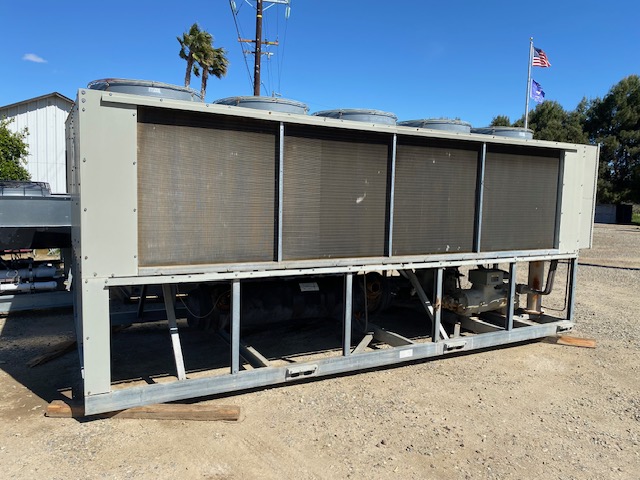
Trane, Carrier, or York? A Buyer’s Guide to Used Air-Cooled Chillers

Used Trane Commercial HVAC

When investing in a commercial or industrial chiller system, choosing the right brand is critical for long-term performance and cost efficiency. Trane, Carrier, and York are three of the most reputable manufacturers in the HVAC industry, each offering reliable air-cooled chillers with distinct advantages.

While new chillers come with premium price tags, pre-owned models from these top brands can deliver exceptional value—provided you select the right unit. In this guide, we’ll compare Trane, Carrier, and York air-cooled chillers, focusing on durability, maintenance needs, and cost savings when buying used.

Comparing Top Brands: Trane vs. Carrier vs. York

1. Durability & Build Quality 

All three brands are known for robust engineering, but there are key differences in design and longevity:

Trane – Renowned for rugged construction, Trane chillers often feature heavy-duty compressors (like the CenTraVac) and corrosion-resistant coatings, making them ideal for harsh environments. Their units are built to last 20+ years with proper maintenance.
Carrier – Carrier’s AquaForce® and 30XA/30RB chillers are designed for efficiency and reliability, with advanced controls and durable scroll or screw compressors. Many used Carrier models still perform well after 15-25 years of service.
York – York chillers (such as the YK and YZ series) are known for high-efficiency compressors and flexible configurations. Their units are often easier to repair due to modular designs, extending their usable lifespan.

Best for Longevity? Trane and Carrier tend to edge out York in extreme conditions, but all three brands offer durable options when properly maintained.

2. Maintenance & Serviceability

Ease of maintenance is crucial for minimizing downtime and repair costs. Here’s how they compare:

Trane – Known for long service intervals, but parts can be expensive. Older models may require specialized technicians.
Carrier – Offers widely available replacement parts and a large service network, making maintenance more convenient.
York – Modular designs allow for easier component replacements, reducing labor costs.

Best for Maintenance? Carrier and York are typically more service-friendly, while Trane units may require more specialized care.

3. Energy Efficiency & Performance

Older chillers may lack the latest efficiency tech, but well-maintained used models can still deliver strong performance: 

Trane – Older Trane RTAC models are robust but may consume more power than newer inverter-driven chillers.
Carrier – The 30XA series is known for part-load efficiency, making it a smart choice for variable demand.
York – YZ magnetic-bearing chillers (if available used) offer excellent efficiency, but older YK models are still reliable workhorses.

Best for Efficiency? Carrier often leads in part-load efficiency, while York’s newer magnetic-bearing models (if found used) can be highly efficient.

Why Buy a Used Air-Cooled Chiller?

 1. Significant Cost Savings

A used Trane, Carrier, or York chiller can cost 40-60% less than a new unit, with many high-quality models still offering 10+ years of service life.

 2. Faster Deployment 

New chillers often have long lead times (12+ weeks). Pre-owned units are typically ready for immediate installation, reducing downtime.

 3. Eco-Friendly Choice 

Reusing equipment reduces waste and lowers the carbon footprint of manufacturing new units.

How to Choose the Right Used Chiller

1. Inspect Critical Components

Compressor – Check for wear, oil leaks, and proper operation.
Condenser Coils – Look for corrosion or fin damage.
Electrical Systems – Ensure controls and wiring are intact.

2. Verify Maintenance History

Request service logs to confirm regular upkeep. 
Look for refurbished units with replaced wear-and-tear parts.

3. Buy from a Reputable Supplier

Choose a dealer that:

Tests and certifies used chillers.
Provides a warranty (even if short-term).
Offers technical support post-purchase.

Where to Find Reliable Used Chillers

If you’re searching for a high-quality used Trane, Carrier, or York air-cooled chiller, RefrigerationEquipment.net is a trusted source for inspected, refurbished units. They specialize in:

Thorough performance testing
Competitive pricing (often 50%+ below new)
Expert guidance in selecting the right model

Contact them today to explore available inventory and find a chiller that fits your budget and performance needs! 

Final Recommendation

Need maximum durability? → Trane
Prefer easier maintenance? → Carrier or York
Want the best value? → A well-maintained used model from any of these brands

Ready to buy? RefrigerationEquipment.net and save thousands without sacrificing quality!

Posted on

The Advantages of Choosing Used Evapco & BAC Ammonia Condensers

used commercial refrigeration equipment

When it comes to industrial cooling systems, Evapco and Baltimore Aircoil Company (BAC) are two of the most trusted names in the industry. Their ammonia condensers are known for durability, efficiency, and superior heat transfer performance. However, new units can be a significant investment. That’s why many businesses are turning to high quality used Evapco and BAC condensers as a cost effective alternative. 

In this blog, we’ll explore the key advantages of choosing pre-owned Evapco and BAC ammonia condensers, along with tips on selecting the best units for optimal heat exchange performance—plus where to find reliable, professionally inspected systems.

Why Choose Used Evapco & BAC Ammonia Condensers?

Cost Savings Without Sacrificing Quality – One of the biggest advantages of purchasing a used Evapco or BAC ammonia condenser is the significant cost savings. High quality pre-owned units can cost 3050% less than new ones, allowing businesses to allocate funds to other critical areas. Since Evapco and BAC condensers are built to last, even used models can provide many more years of reliable service when properly inspected and maintained.
Proven Reliability & Industry Reputation – Evapco and BAC have been industry leaders in heat exchange technology for decades. Their ammonia condensers are designed with robust materials such as stainless steel and corrosion resistant coatings, ensuring long term durability. By choosing a used unit from a reputable manufacturer, you benefit from proven engineering and performance without the premium price tag of a new system.
Faster Availability & Reduced Lead Times – New industrial condensers often come with long manufacturing and delivery lead times, which can delay critical projects. Pre-owned Evapco and BAC condensers are typically ready for immediate shipment, minimizing downtime and keeping operations running smoothly.
EcoFriendly Choice – Purchasing a used condenser is a sustainable option, reducing the demand for new manufacturing and minimizing waste. High quality refurbished units can perform just as efficiently as new ones when properly serviced, making them an eco-conscious choice for businesses looking to reduce their environmental impact.

How to Select a Quality Used Evapco or BAC Ammonia Condenser

To ensure you get the best performance from a pre-owned condenser, follow these key selection tips:

 1. Inspect for Structural Integrity

Check for corrosion, leaks, or physical damage in the tubes, fins, and casing.
Look for signs of proper maintenance, such as clean coils and intact coatings.
Ensure the frame and supports are structurally sound.

 2. Verify Heat Exchange Efficiency

Review the original specifications (capacity, pressure ratings, flow rates) to ensure the unit meets your needs. 
Ask for performance test data (if available) to confirm heat transfer efficiency.
Check for fouling or scaling inside tubes, which can reduce efficiency.

 3. Assess Refurbishment & Maintenance History

Opt for units that have been professionally inspected and refurbished.
Request service records to confirm regular maintenance and repairs.
Ensure critical components like fans, motors, and coils are in good condition.

 4. Source from a Reputable Supplier

Work with a trusted used equipment dealer specializing in industrial cooling systems. 
Choose suppliers who offer warranties or guarantees on used condensers.
Verify that the supplier performs leak tests and pressure checks before resale.

Maximizing the Lifespan of Your Used Condenser

Once you’ve selected a high quality used Evapco or BAC ammonia condenser, proper maintenance is key to extending its lifespan and efficiency:

Regular Cleaning – Remove debris and scale buildup to maintain optimal heat transfer.
Leak Testing – Periodically check for ammonia leaks to prevent efficiency loss.
Lubrication & Fan Maintenance – Ensure motors and bearings are properly lubricated.
Corrosion Protection – Apply protective coatings if necessary to prevent rust.

Where to Find Reliable Used Evapco & BAC Condensers

If you’re looking for high performance used Evapco and BAC ammonia condensers, [RefrigerationEquipment.net](https://refrigerationequipment.net/doingbusiness/) is your trusted source. With years of experience in the industrial refrigeration industry, they specialize in inspected, refurbished, and reliable pre-owned cooling equipment. Their team ensures every unit meets strict quality standards, offering cost-effective solutions without compromising performance. Whether you need a quick replacement or a custom fit condenser, they provide expert guidance to match the right system to your needs. Visit their website today or contact them directly to explore available inventory and discover how you can save on toptier refrigeration equipment!

Posted on

Sustainable Refrigeration: How Buying Used Equipment Reduces Environmental Impact 

Mycom N6WB compressor with 100 HP ammonia compressor

As industries worldwide strive to meet sustainability goals, the refrigeration sector is undergoing a green transformation. One of the most effective—yet often overlooked—strategies is purchasing used refrigeration equipment. By giving compressors, condensers, and chillers a second life, businesses can significantly reduce waste, conserve resources, and lower carbon emissions while enjoying substantial cost savings. 

This blog explores how buying pre-owned refrigeration equipment supports eco-friendly operations and why it’s a smart choice for both the planet and your budget. 

The Environmental Cost of New Refrigeration Equipment 

Manufacturing new refrigeration systems has a heavy environmental footprint: 

Energy-Intensive Production – Building new compressors, condensers, and chillers requires significant raw materials (steel, copper, aluminum) and energy, contributing to greenhouse gas emissions. 
Electronic Waste (E-Waste) – Discarded refrigeration components often end up in landfills, where hazardous refrigerants and oils can leach into soil and water. 
Carbon Emissions from Shipping – Transporting heavy new equipment globally generates additional CO₂ emissions. 

By contrast, reusing high-quality used refrigeration equipment helps mitigate these impacts. 

How Used Refrigeration Equipment Supports Sustainability 

 1. Reduces Manufacturing Demand & Raw Material Consumption  –

Every reused compressor or condenser eliminates the need to mine, process, and manufacture new materials. For example: 

A single used industrial chiller prevents tons of steel, copper, and aluminum from being extracted and refined. 
Repurposing a commercial refrigeration rack saves thousands of kilowatt-hours of energy that would have been used in production. 

 2. Cuts Down on Landfill Waste 

The EPA estimates that millions of tons of HVAC equipment are discarded annually. Buying used: 

Extends the lifespan of functional systems. 
Prevents refrigerant leaks from improperly disposed units. 
Reduces e-waste from control boards, motors, and other components. 

 3. Lowers Carbon Footprint 

No New Manufacturing Emissions – Skipping production cuts up to 70% of a product’s lifetime carbon emissions. 
Local Sourcing – Many used equipment suppliers stock units domestically, reducing transport-related pollution. 

 4. Promotes a Circular Economy 

Instead of the take-make-waste model, reusing refrigeration equipment: 

Keeps materials in use longer 
Supports refurbishment industries (creating green jobs) 
Encourages manufacturers to design longer-lasting products 

Economic Benefits of Buying Used 

Beyond environmental gains, pre-owned refrigeration systems offer major financial advantages: 

50-70% Cost Savings vs. new equipment 
Faster Availability (no long lead times) 
Proven Reliability (many industrial units last 20+ years) 
Lower Insurance & Depreciation Costs 

 How to Choose Sustainable Used Equipment 

To ensure your purchase is both eco-friendly and reliable, follow these guidelines: 

 1. Prioritize Refurbished & Certified Units 

Look for dealers who test, clean, and recondition equipment. 
Ask for performance certifications to verify efficiency. 

 2. Check for Energy-Efficient Models 

Older scroll or screw compressors can still be efficient if well-maintained. 
Newer variable-speed drives (VSDs) in used chillers improve sustainability. 

 3. Verify Proper Refrigerant Handling 

Ensure no leaks and compliance with EPA Section 608 regulations. 
Opt for systems using low-GWP refrigerants (e.g., ammonia, CO₂, or R-513A). 

 4. Partner with a Reputable Supplier 

Choose a vendor that: 

Specializes in inspected used equipment 
Offers warranties (even short-term) 
Provides recycling services for old units 

 Where to Find Reliable Used Refrigeration Equipment 

For businesses committed to sustainability, RefrigerationEquipment.net offers: 

High-quality, inspected compressors, condensers, and chillers 
EPA-compliant refrigerant management 
Cost-effective alternatives to new systems 

Visit their website today to explore inventory and reduce your environmental impact! 

Final Thoughts 

The shift toward sustainable refrigeration isn’t just about cutting-edge technology—it’s also about maximizing the lifespan of existing equipment. By choosing used compressors, condensers, and chillers, businesses can: 

Slash their carbon footprint 
Avoid contributing to e-waste 
Save thousands on capital costs 

Ready to make an eco-friendly upgrade? Refrigeration Equipment and join the circular economy movement!